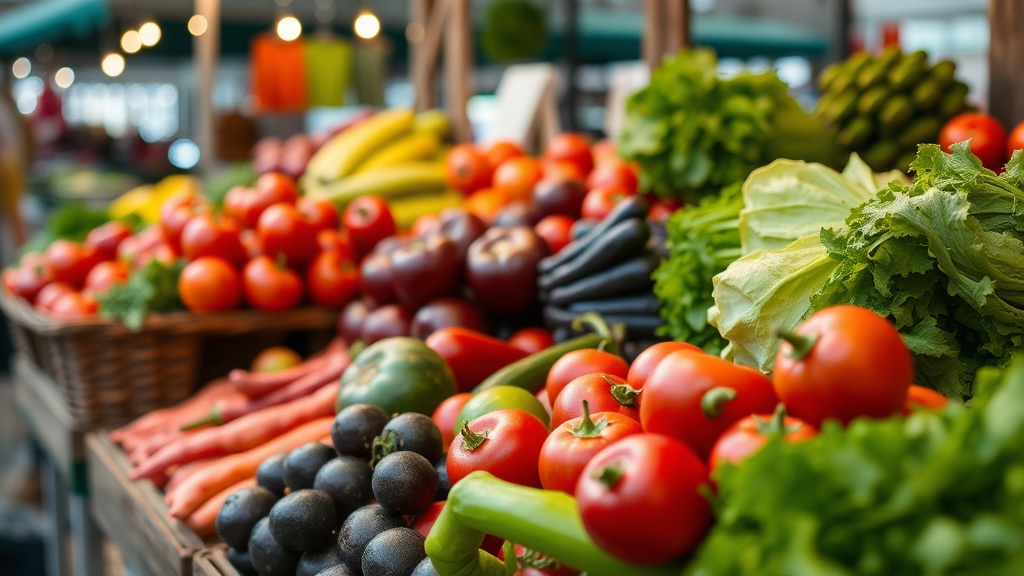
Finding the Best Seasonal Produce at Orangeville Farmers Markets

Most people think that buying seasonal produce at a farmers market is just about getting "fresher" vegetables than the grocery store. That's a mistake. While freshness is a given, the real advantage lies in the specific timing of Ontario's growing cycles—knowing exactly when certain crops hit their peak flavor and when they become overpriced or unavailable. This guide explains how to time your visits to the Orangeville area markets to ensure you're getting the highest quality food for your money.
The local food scene in Dufferin County changes almost weekly. If you show up in June looking for heirloom tomatoes, you're going to be disappointed. You need to understand the rhythm of the local harvest to shop effectively.
When is the Best Time to Visit Orangeville Farmers Markets?
The best time to visit is early in the morning, ideally between 8:00 AM and 10:00 AM, to secure the most diverse selection of produce. Most vendors arrive early to set up, and the most popular items—like local honey or specific berry varieties—often sell out by midday. If you're a late riser, you might still find great stuff, but you'll likely be left with the bruised leftovers or whatever is left over from the previous day's stock.
In Ontario, the growing season is relatively short. You'll see a massive shift in what's available depending on whether it's the "Green Wave" of spring or the "Harvest Peak" of late summer. Here is a general timeline of what you can expect in our local area:
- Late May to June: Focus on leafy greens, radishes, and early spring herbs.
- July to August: This is the peak. Expect berries, stone fruits, cucumbers, and the first of the summer squash.
- September to October: The season of hearty crops like pumpkins, squash, apples, and root vegetables.
It's helpful to keep an eye on the agricultural cycles in Ontario to understand why certain items might be delayed by a cold spring or an early frost. A late frost in May can completely change the availability of your favorite greens.
How Do I Identify High-Quality Seasonal Produce?
High-quality produce is identified by its weight, color intensity, and scent, rather than just looking "perfect." When you're standing at a stall in Orangeville, don't look for the most symmetrical vegetable; look for the one that feels heavy for its size and has a vibrant, natural color. For example, a heavy, firm tomato will usually have much more juice and flavor than a light, hollow-feeling one.
Here are a few quick tips for your next market run:
- Smell the herbs: If the basil or mint doesn't have a strong, pleasant aroma, it's likely lost its potency.
- Check the skin: For berries, look for a matte finish rather than a shiny one—shiny berries often mean they were picked too early and aren't fully ripe.
- Feel the weight: Root vegetables like carrots or potatoes should feel dense. If they feel light, they might be dehydrated or old.
Don't be afraid to ask the growers directly. Most of the folks at our local markets are happy to tell you how to store their specific products. If you buy a lot of leafy greens, you might want to know if they prefer refrigeration or a cool pantry. This kind of knowledge is something you just won't get from a supermarket-branded box.
The Seasonal Produce Cheat Sheet
| Season | Top Produce to Buy | What to Avoid |
|---|---|---|
| Spring | Asparagus, Radishes, Spring Onions | Tomatoes, Peaches, Corn |
| Summer | Strawberries, Blueberries, Zucchini | Root Vegetables (Wait for Fall) |
| Fall | Apples, Pumpkins, Squash, Potatoes | Fresh Berries (They're out of season) |
Is It Worth Paying More for Local Produce?
Yes, it is worth it because you are paying for nutrient density and a significantly shorter supply chain. When you buy a peach from a local grower in Dufferin County, it was likely picked at peak ripeness and transported a very short distance. A peach from a major grocery chain has often been picked green and ripened in a shipping container, which strips much of the natural sugar and flavor.
The cost difference can be noticeable, but you're also supporting the local economy. This is vital for keeping our surrounding rural communities vibrant. When you buy from a local farmer, that money stays in the community. It's a different kind of value than just looking at the price tag on a shelf. If you're planning a day out, you might even find ways to spend a perfect day in town after your market haul.
One thing to keep in mind: prices will fluctuate based on the weather. A heavy rain in July might drive up the price of berries for a week or two. This is normal. It's a direct reflection of the actual environment, not a predatory pricing tactic.
A common mistake is assuming that "organic" is the only way to get healthy food. While many local farmers follow organic practices, the most important factor is the seasonality. A non-organic carrot grown in Orangeville soil is often much more nutritious than an organic one that has been sitting in a warehouse for three weeks. The proximity to the soil is what matters.
If you're looking to build a better pantry, consider how you're prepping your home for the changes in season. For instance, buying more root vegetables in the fall is a great way to prepare for the colder months when fresh greens become harder to find. You can learn more about seasonal transitions in our guide on getting your home ready for winter in Orangeville.
When you're shopping, keep an eye out for the "ugly" produce. Often, the most flavorful vegetables aren't the most "Instagram-perfect" ones. A slightly bent carrot or a bumpy tomato is usually just a sign that it grew naturally without heavy intervention. These are often the best deals in the market, too.
Don't forget to bring your own reusable bags. Most vendors appreciate it, and it's better for the environment. If you're planning to cook a big meal after your shopping trip, you might want to check out where to grab a great lunch in downtown Orangeville to get some inspiration for using your fresh finds.
The quality of your food is directly tied to the quality of the soil and the timing of the harvest. If you want to eat better, you have to be willing to adapt your menu to what the land is actually providing right now. It takes a bit more planning, but the difference in taste is undeniable.
Steps
- 1
Check the Seasonal Calendar
- 2
Arrive Early for Best Selection
- 3
Bring Reusable Bags and Cash
- 4
Talk to the Local Growers